
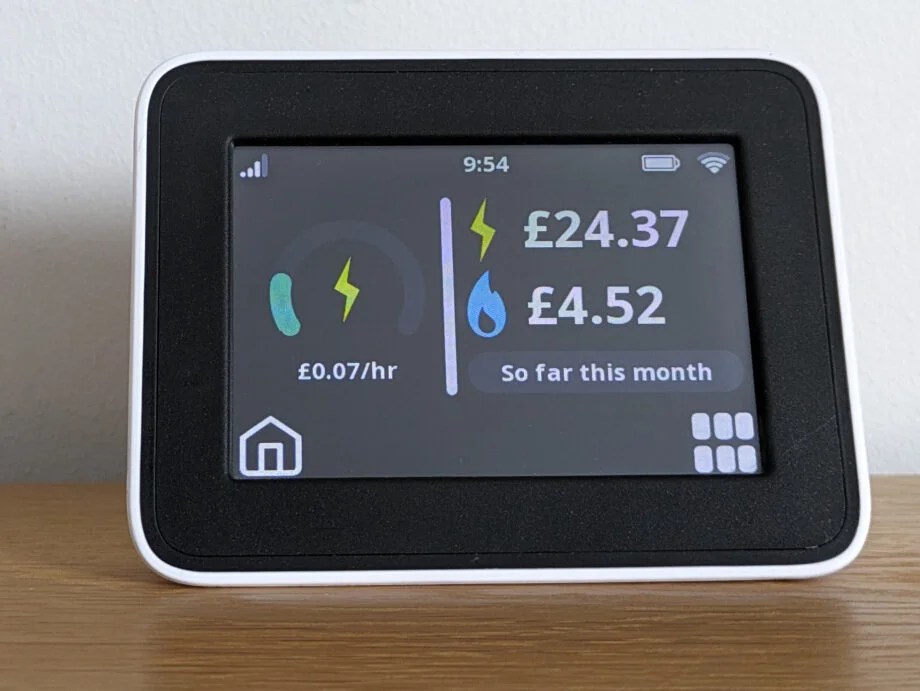
The news that the Radio Teleswitch Service will be closing down has doomed a million households to switch from their Economy 7 electricity meters to controversial smart meters will cause consternation amongst many, that is if they even found out about this news at all.
Bourgeois media has apparently opted to steer clear of this story, presumably because, as smart meters are considered to be ‘green’ technology, and green technology must be an essential good, these million-or-so households would be naturally delighted to find that they would be compelled to ditch their antiquated old Economy 7 electricity meters and embrace the modern age with a shiny new smart meter. So delighted in fact that they need not be told of this clearly progressive development. But the fact that some one million households who have had access to smart meters for some thirteen years and yet have chosen to rely on their 1980s relic suggests that they may have preferred the method by which their electricity usage was measured, particularly given the downsides that they would have been aware of regarding smart meters.
So why does our headline mention the BBC? It’s because the BBC owns and runs the Radio Teleswitch System, a long-wave radio service which sends out time signals to Economy 7 electricity meters to tell them when to switch from peak time to off-peak and vice versa. Because of the huge distances that long-wave transmissions can cover, thousands of miles in fact, Britain has only one long-wave transmitter, located in Worcestershire. Now with its technology nearing forty years old, the BBC says that it is obsolete, energy-inefficient and needs to be closed down for good. This marries with the BBC’s decision to close down all its remaining long-wave radio broadcast services this month (March 2024), again using the argument that the technology is obsolete and inefficient.
The BBC has effectively compelled a million households to switch to smart meters, technology which has not been without its controversies. The first generation of smart meters, known as SMETS1, were replete with issues, including that they stopped being ‘smart’ the moment a consumer switched from one supplier to another, with energy companies under no obligation to replace them, while the general use of smart meters raises concerns, including the energy supplier being able to switch consumers to pre-pay tariffs if they fall into arrears and disconnect consumers remotely if those arrearages mount to an ‘unacceptable’ level. Energy consumers will have spent the last few years being endlessly bombarded with letters, text messages and emails pleading with them to switch to smart meters, yet anyone who resisted the constant calls to enter the new age had the rug pulled out from under them by a corporation in the BBC which is already deeply unpopular amongst the wider population for its sub-standard output, massively remunerated employees and peddling propaganda through its news outlets.
The energy companies should be compelled to take over the ownership and management of the Radio Teleswitch System – after all, it was set up when the electricity boards were in public ownership and the conflict between the BBC’s service provision and the private companies that utilised it did not exist. Better yet, with skyrocketing energy prices and the naked and completely unabashed profiteering on the part of the private energy firms, the entire British energy industry should be brought into full and socialised ownership.
 Class Consciousness Project
Leave a comment