
If a house falls down in Anfield, does Liverpool city council hear it?
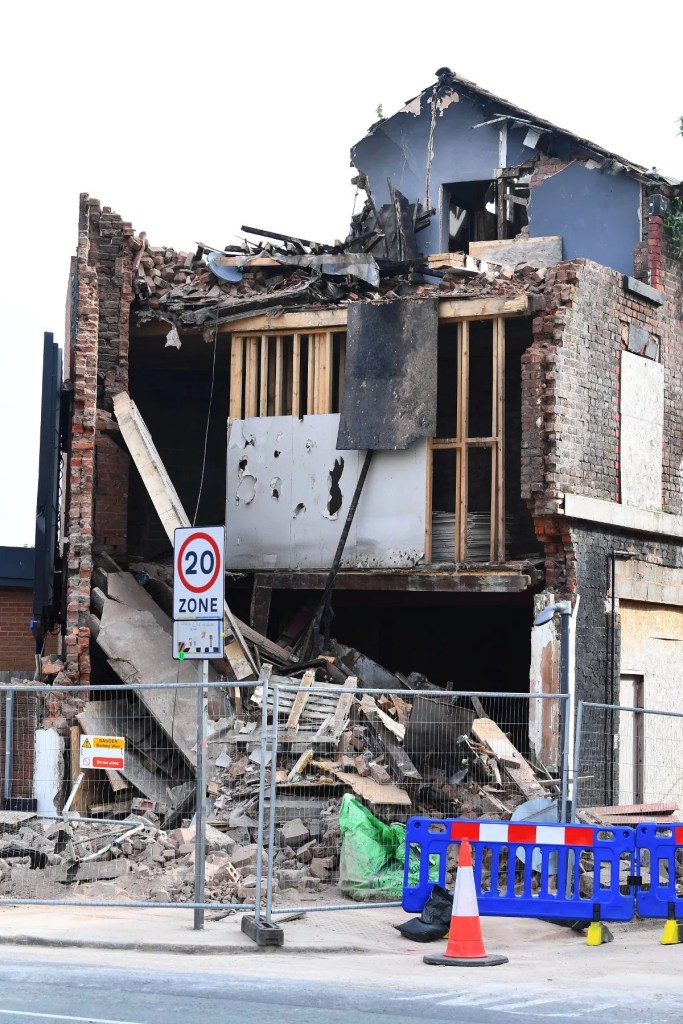
On Thursday, May 9th, Oakfield Road in Anfield (near the stadium) had to be blocked off due to the collapse of an abandoned building. This building, already partially demolished and structurally compromised, collapsed inward, sending debris cascading across the busy street that leads to Anfield Stadium. If this had occurred on a match day, it could have been catastrophic, as these roads are open only to foot traffic at those times, potentially causing debris to fall on a crowd of people.
This incident highlights a broader issue: the dire consequences of inadequate council funding. According to a local resident speaking to the Liverpool Echo, the building once housed a barbershop but had been abandoned for several years. Google Maps shows that it was called Anfield Barbers and was still open in 2021. Pictures from 2022 reveal a sign in the shop window indicating they had moved premises.
In 2024, modern Britain, such incidents are not something you expect to hear about in a busy metropolitan city. However, as shocking as they are, they are not isolated events. A quick Google search will reveal several incidents:
- 27th January: An abandoned development on Fox Street catches fire, Everton.
- 10th December 2023: A terraced house collapses on Anfield Road under high winds.
- 16th October 2022: A roof collapses in a property on Lark Lane.
- 7th September 2021: A terraced house collapses on Anfield Road.
Additionally, there are buildings in Liverpool left in such a state of disrepair that they are marked for demolition once the land they sit on is sold. This is a common problem with many of Liverpool’s heritage sites. The council is often at odds with conserving Liverpool’s history due to the costs, especially when the site could be sold for profit.
Everton Library is a perfect example of this. This Grade II listed building is on the Victorian Society’s top ten endangered buildings list. Built in 1895, as of 2022, it was still owned by the council. They had allocated a small amount of funds to support the work of charities attempting to save the library, but nothing substantial enough to ensure its preservation.
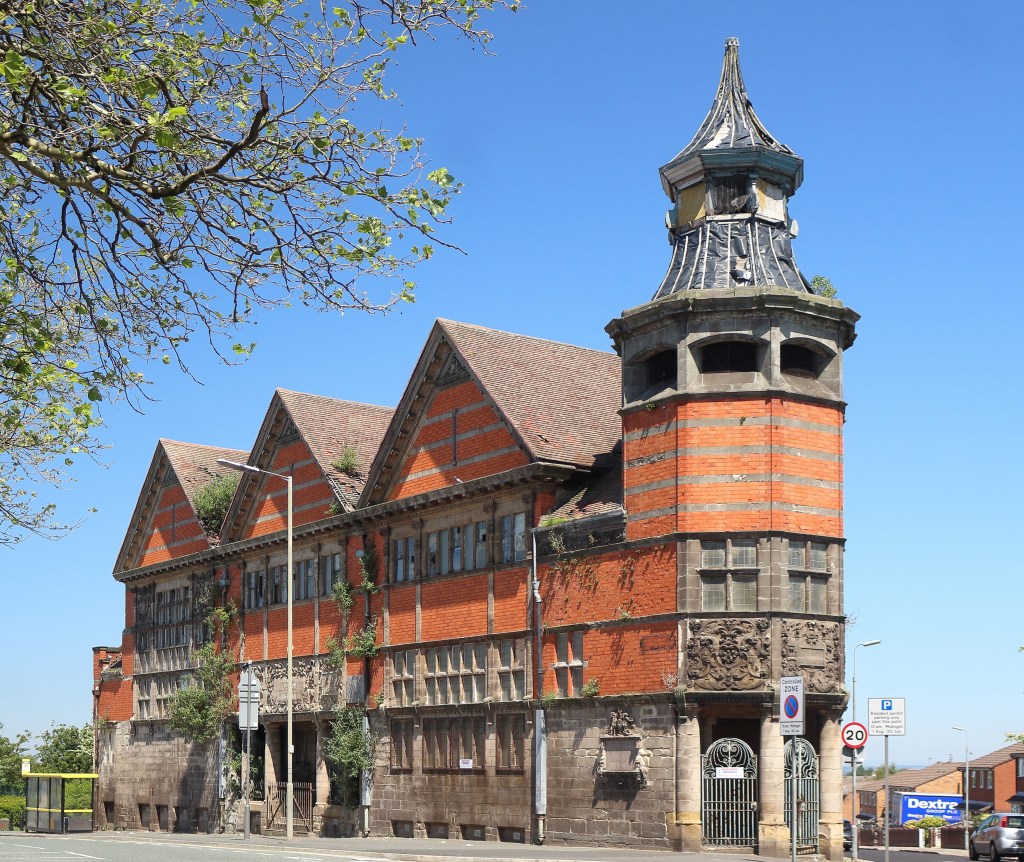
In 2019, a local hotel firm called Signature Living was bidding to purchase the building, but the pandemic and subsequent lockdowns halted the sale. Since then, Signature Living’s owner, Lawrence Kenwright, has declared bankruptcy, so a revisit to this sale seems unlikely anytime soon.
The situation in Liverpool, particularly in the north end, underscores the systemic issues arising from the council’s abandonment of the area to private enterprise. The transfer of council housing to housing associations is emblematic of a larger trend: the withdrawal of state responsibility in favour of profit-driven entities. While these associations may carry the facade of public service, they are fundamentally private firms focused on profit, not the welfare of the community.
Local councils, stripped of the ability to set their own budgets, but used to make cuts to essential services and sell contracts to private businesses. This trend is evident in city planning, where the initial visions of regeneration are often sold off to the highest bidder, prioritizing profit over public good.
Section 78 of the Building Act (1984) ostensibly empowers local authorities to take immediate action when a building poses a danger. However, the collapse of the house in Anfield reveals a stark reality: intervention was possible but never realized. The scaffolding erected for supposed renovations became a symbol of neglect, as the local authority failed to enforce necessary actions. This reluctance is rooted in the current system’s disdain for state intervention in the private sector, driven by the belief that the market should self-regulate.
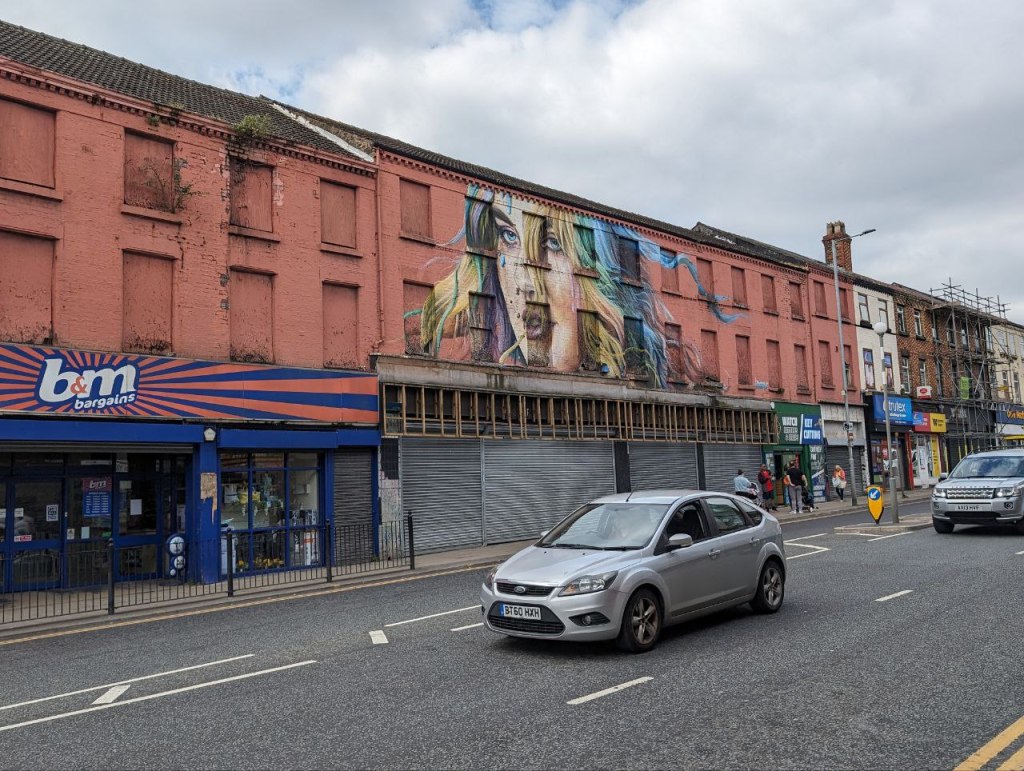
In working-class areas, the primary sources of profit are rent and sales from large retailers. Investment in community amenities or infrastructure is deemed unprofitable, leading to deteriorating buildings and desolate high streets. Under a more equitable economic system, these areas would be enriched with the necessary amenities for a fulfilling life. Instead, the prevailing economic order leaves them to decay, prioritizing profit over people and community well-being.
 Class Consciousness Project
Leave a comment