
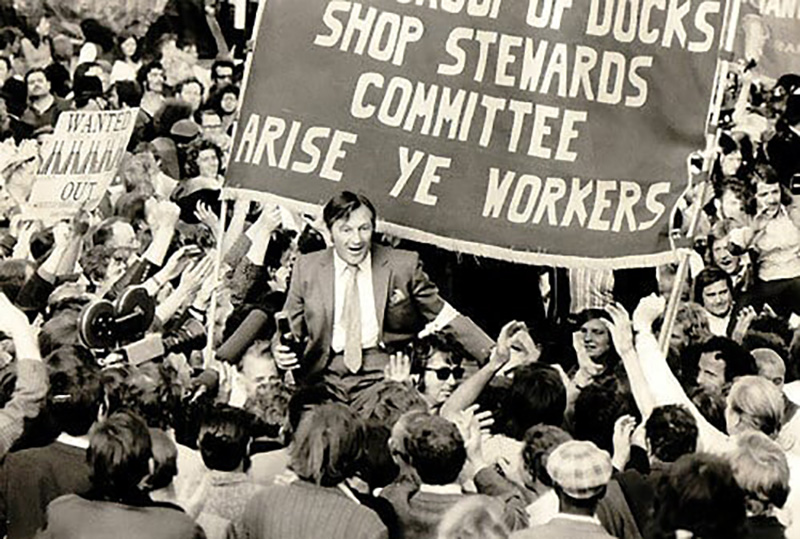
It’s legend, the history of black country and why workers should be proud of their heritage.
Introduction
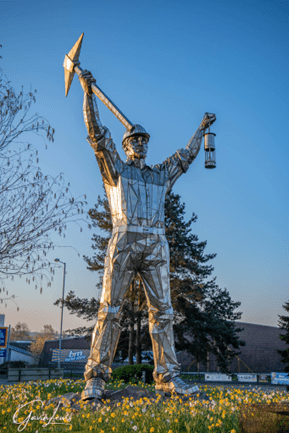
As I go to Walsall, I go past Brownhills (by bus no less), I am always inspired by the miner’s statue even when I was a kid. Even if I didn’t know of its significance until I write of this today, now (at age 29) knowing our workers’ heritage in this country, explicitly due to the capitalists would rather us forget our forefathers’ hard work, it’s not often thought about.
With the miner in mind, I want to talk about the brief history about the Black Country and the legend of the miner, as well as what it represents and what it should continue to represent.
Jack “Jigger” Taylor
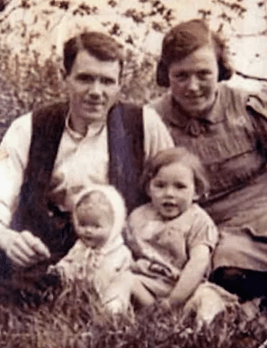
Jack “Jigger” Taylor was of a family who worked in the coal mines for generations. Jack unfortunately was known for being killed in an accident, when the roof above him got caved in in 1951. Sadly after this, it seems that mining also went on a decline on the same decade of his death, which was part of the slow decline of the entire mining industry which practically got extinguished after the defeat of the great miners strike of 1984-1985.
Now, this statue was named after him by his own grandson in a competition. This was very poetic as it memorializes the pride and the hard work done by the miners. This memorial should also serve the potential of hard work we can still provide and carry on to keep this country going (not necessarily just this industry, but any industry we have huge potential in), as this heritage still is with us to this day.
The Black Country and the legacy it has on the West Midlands
The area known as the Black Country is situated to the west of Birmingham in the West Midlands region, prrimarily around Walsall (which Brownhills is also a small section of), Wolverhampton, Dudley and Halesowen to name a few.
The Black Country played a major role as a source of fuel for the great factories of the industrial revolution.
Despite the nationalisation of the mining industry in 1947, which was one of the key concessions offered by the British ruling class; so the masses don’t revolt against the imperialist system, the 1950s and 1960s saw the decline of the mining industry The last mine in the region was closed in 1968, the reasons as to why it was cited was mainly resource depletion, environmentalism (a common ruling class tactic for deindustrialization to save their system) and economic changes.
Although life was often hard and exploitative for workers in the mining era, people as young as 11 worked as miners and the Earl of Dudley owned the mineral rights of the mines, many workers to this day cherish the memories of the hard work of the Black Country and how it influenced the entire nation in terms of industrialization and electrification.
Memorials and places like the Black Country Museum are important. The reason is to preserve the history of the working class, but also inspire us for the future as we are the cogs that keep this country alive.
The reason why I write this article today is to summarise the history, not just because it’s my local history, but is also our history for miners elsewhere nationwide and most importantly to boost the pride of us workers.
 Class Consciousness Project
Leave a comment