
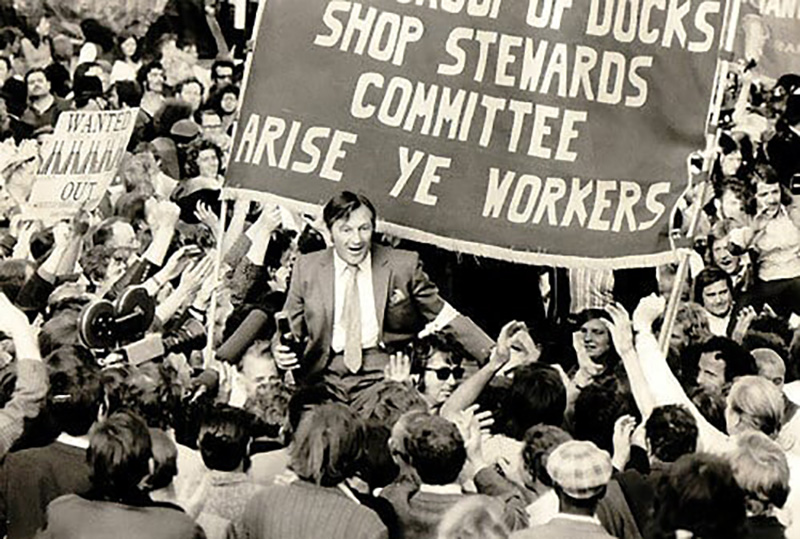
In response to the recurrent crises of capitalism, the political bankruptcy of social-democracy – as clearly illustrated by the treacherous circus that is the British Labour Party – becomes more evident and more acute, almost on a daily basis.
Capitalism is way beyond its historical period of economic and social progress – arguably the ‘Great War’ marked the beginning of its protracted demise – and today we face a stark choice between moving forward to socialism or collapsing into a state of barbarism (this concept was first postulated by Friedrich Engels, but later popularised by Rosa Luxemburg). That said – given the diverse state-of-the-art techniques of 21st century warfare coupled with extant challenges to our environment and ecology (both natural and man-made) – some contemporary thinkers would argue that events have escalated to a point where the question now being posed is rather one of socialism or extinction.
Just to be clear on my definition of socialism (and don’t forget Shakespeare’s quip that “a rose by any other name would smell as sweet”), I’m arguing for a society based on the premise of “from each according to their ability, to each according to their work” (Karl Marx). Theoretically, this would eventually lead to an even more elevated social and economic form summarised by the maxim: “from each according to their ability, to each according to their needs”.
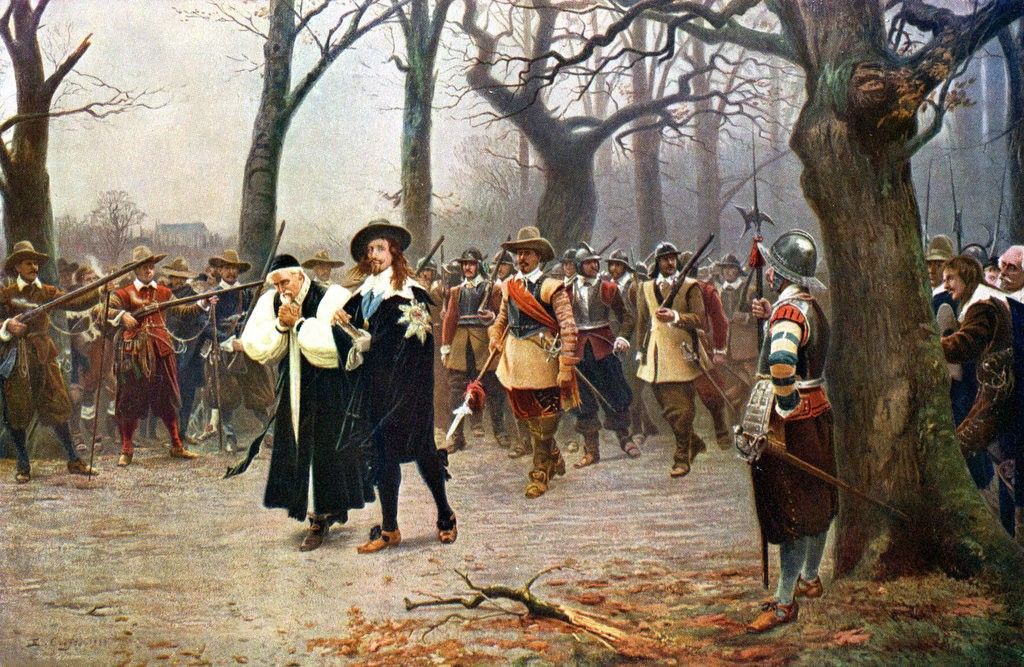
In light of the ever advancing forms of A.I. and automation, such a society (label it how you will) – one of universal affluence and enlightenment, and based upon a healthy balance of individual freedom with social responsibility – is more than possible. No doubt, however, the global oligarchy, through its owned and controlled media and via its bought-and-paid-for political pundits, will continue to try and persuade us that a post-capitalist future is undesirable, impossible, or even somehow dangerous. In this I’m reminded of how the feudal ruling class in 1640s England mocked and vilified the rising bourgeoisie. How the prospect of modernity – factories, machines, warehouses, transport, banking, insurance, import and export, etc., (as well as a burgeoning proletariat) – must have terrified them. Needless to say, it took an armed revolution to change the status quo.
Stephen Nuttall © 2025
 Class Consciousness Project
Leave a comment