
The term toxic masculinity has circulated in feminist movements and gender studies for several decades, but it’s only in the past ten years that it has entered mainstream conversation. The phrase has been heavily popularised by the growth of the #MeToo movement. A social awareness campaign created to fight against sexual violence and abuse of women by men.
Now, while this discussion is necessary in any attempt to combat the rising crimes committed against women, the idea that masculinity itself is the toxic trait responsible for these issues is incorrect. This article argues that the term toxic masculinity has been co-opted by capitalist ideology to shame and individualise the working-class man, while ignoring the class system that breeds alienation, violence and misogyny.
Masculinity is not inherently toxic, just as femininity is not inherently toxic either. These terms aren’t mere cultural constructions but material facts, developed historically through social relations in communities, families, and society at large. Gender roles, too, are not simply ideological constructs but expressions of material conditions. The issue of violence against women is also material. Abuse within capitalist society is increasing as the system decays. It is not the masculinity of a man that needs attacking, but the system of exploitation that causes emotional starvation, alienation, and competitive individualism.
Commodification
What prompted me to write this article was a critique we recently published of the popular Netflix mini-series Adolescence. I won’t dwell on that programme here, you can read the previous article, but I will say that it pathologises so-called male issues while ignoring the class struggle that produces such conditions.
The media glorifies the objectification of women and their bodies. “Sex sells” is a mantra repeated across the media, but why does it sell? Because it is glamourised at every point. Magazines, adverts, and television all elevate the female body above the female mind. Now, all men will admit the female form is beautiful. We are biologically hardwired to find the opposite sex attractive so we may procreate and continue the species. The capitalists understand this too—though they do not celebrate birth, they instead glamourise the act of sex.
Sex has become a valuable commodity, and as social degradation intensifies, so too does the degradation of women. It has now gone so far that sex work is being pushed as legitimate labour, rather than the ultimate exploitation that it is.
When women are reduced to objects, men begin to behave as if that is their only function. This isn’t a new phenomenon. Women have long suffered under the unpaid slavery of wife and mother, but the modern twist lies in the media’s portrayal of sex work as freedom. This is a curse born of decaying capitalism for women.
Men, too, are brainwashed by a rotting capitalist culture. The stereotype of the stoic, emotionless male who fights before he thinks is one side of the coin. A man who doesn’t trample others, who refuses to act like an ‘alpha male’, is seen as weak. The strong, dominant male is sold as the ideal of manhood. At the same time as this is being promoted, it is also being demonised. Figures like Andrew Tate and Conor McGregor are held up as proof that men are inherently problematic, an excuse for blanket statements like “men shouldn’t be allowed out after 6pm.” This was, unbelievably, a real suggestion by Baroness Jenny Jones following the horrific murder of Sarah Everard.
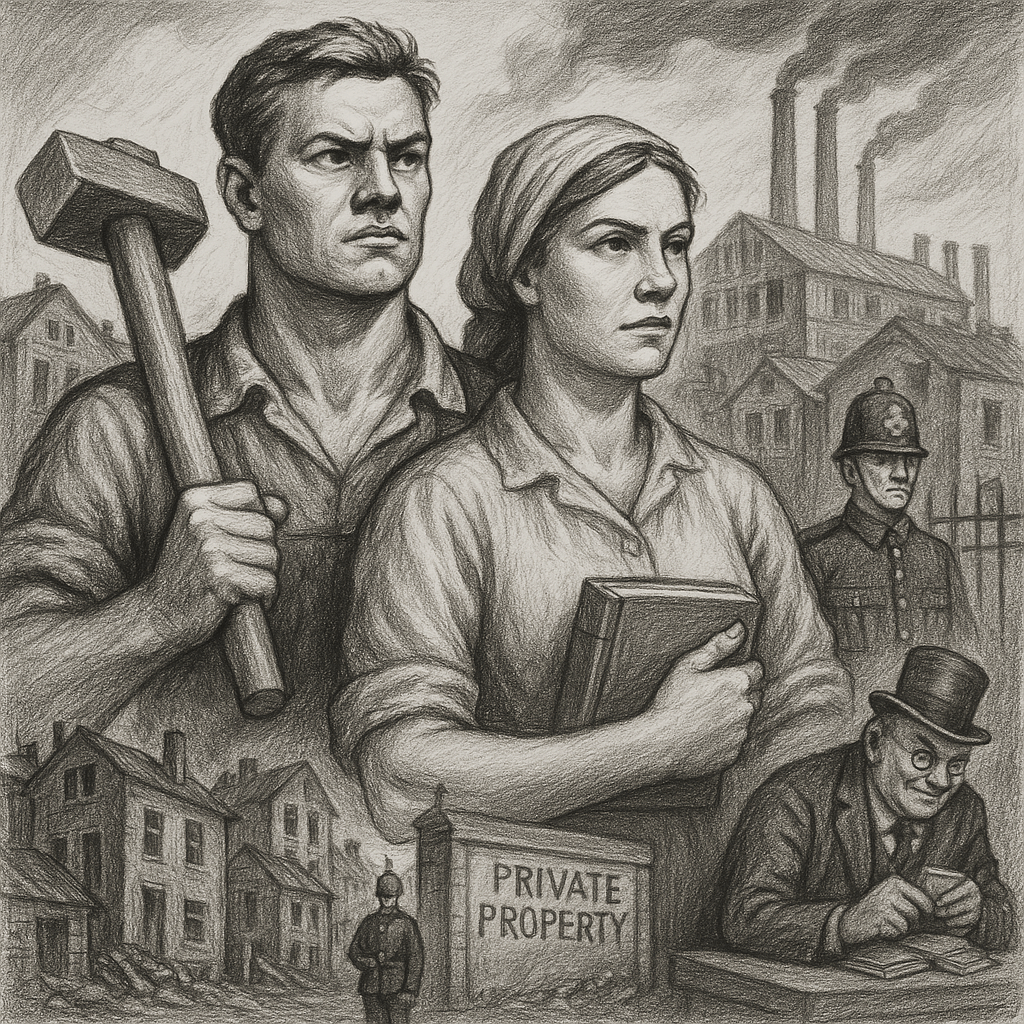
Such generalisations serve to demonise all men without examining the facts. Sarah Everard suffered horrendous abuse at the hands of a deranged police officer, an agent of the state. Policing is a profession that turns workers into overlords of their fellow workers, dehumanising them in the protection of private property and the capitalist state. The police and courts are key instruments of class violence, defending the ruling class and its property, not protecting women from abuse. Abuse committed by working-class men is criminalised, while that carried out by the wealthy or state actors is often ignored or excused entirely.
Bourgeois Feminism and Misogyny
Rights for the working class were severely limited for the first few centuries of capitalism, especially for women. The Chartists fought for male suffrage through political reform before that movement was suppressed by the state, eventually winning the vote with the 1918 Representation of the People Act. Before this, the vote was restricted to the ruling classes, tied directly to land ownership—as always, private property was the gatekeeper under capitalist rule. Women remained second-class citizens, barred from voting without property qualifications until 1928.
Interestingly, the Chartist movement once supported women’s suffrage until it was removed from their programme, out of fear it would detract from their demands for working-class men.
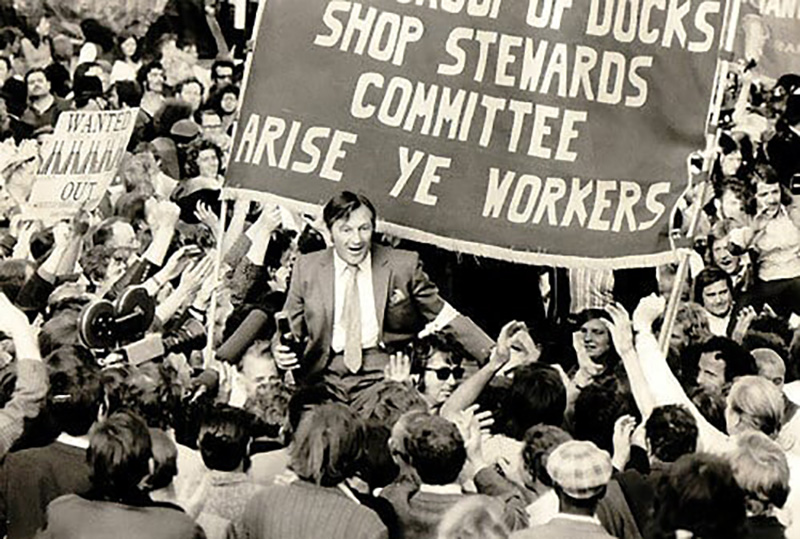
The women’s struggle for emancipation has been hard-fought, from the Matchgirls’ strike of 1888 to the Grunwick strike of 1976. During the First World War, women filled men’s roles in factories, producing munitions for the war effort, only to be cast back into unpaid domestic labour once the war ended.
Liberal feminism, which emerged out of these struggles, ultimately chose the path of capitalist reform. It fought for parity of pay rather than uniting on a class basis to topple the ruling class. This led to the rise of better-paid professional women, while so-called ‘mundane’ labour remains trapped in poverty wages. Bourgeois women may break glass ceilings, but working-class women are left to clean the shards.
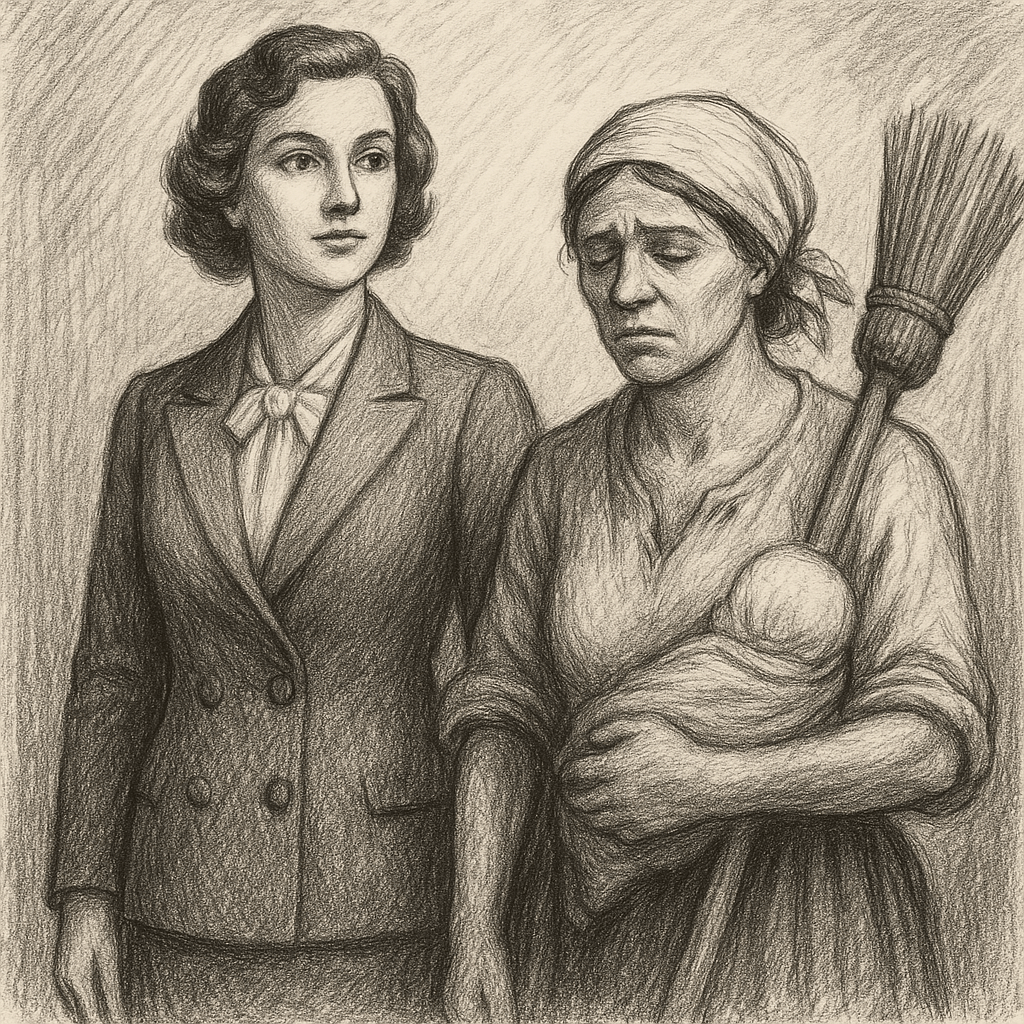
Misogyny under capitalism doesn’t merely marginalise women, it allocates different forms of oppression according to class. One gets boardroom quotas, the other gets zero-hour contracts and domestic abuse shelters stripped of funding.
The idea that women were ‘allowed’ to enter the workplace was not the liberation as advertised. It created another exploitable worker while offering no relief from the domestic duties of family life. In contrast, the Soviet Union established nurseries, laundrettes, and subsidised cafeterias—public services that enabled women to contribute to production without sacrificing family welfare.
The nuclear family is not simply a cultural tradition, but a capitalist institution. Misogyny enforces this structure—keeping women tied to unpaid domestic labour in service of the next generation of workers.
Reclaiming Masculinity for the Class Struggle
Misogyny is not an innate male trait. It is a product of capitalist ideology, instilled into men by a system that benefits from division. It assigns roles not based on human nature, but on the needs of private property. As Engels wrote in The Origin of the Family, Private Property and the State “The modern individual family is founded on the open or concealed domestic slavery of the wife.”
Under capitalism, the nuclear family functions to reproduce labour power at no cost to the ruling class. Women are consigned to women’s duties and domestic servitude. Child-rearing, rather than being recognised as vital social labour, is made invisible and burdensome. We must also remember that working class women have been absolutely central to the development of the working-class movement in most countries. In our case it was the struggles of women workers that helped fuel new unionism and (ultimately) the growth of the communist party.
Engels reminds us that this is not inevitable: “With the transformation of the means of production into common ownership, the single-family ceases to be the economic unit of society.” The path to liberation lies not in personal reforms but in destroying the social domination of the working class.
Capitalism has distorted masculinity into a tool of domination and emotional repression. For the emancipation of all, masculinity must be reclaimed as a force for socialism, built on discipline, emotional maturity, and collective strength. Masculinity is not fixed; it is shaped by material conditions. Under capitalism, it is weaponised to pit our class against itself: man against man, man against woman, worker against worker. Emotional openness is treated as weakness; competitiveness and individualism are rewarded.
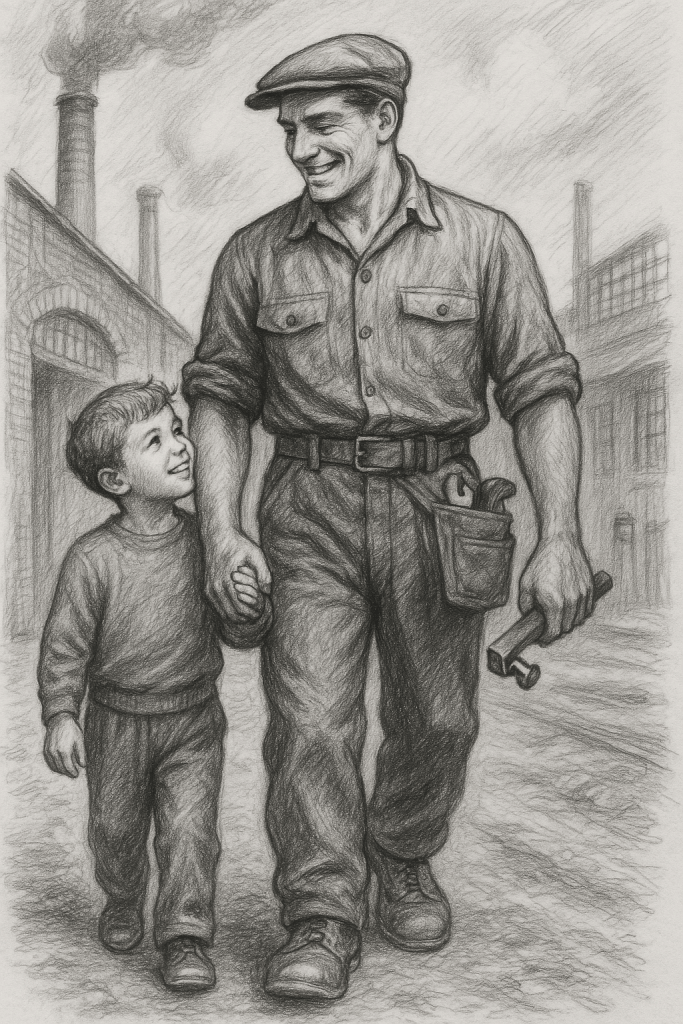
Under socialism, masculinity should not be abolished for being ‘toxic’ but re-forged into revolutionary morality, directed towards abolishing the ruling class.
Working-class strength will grow through the removal of both the shame and commodification of masculinity and femininity. A revolutionary man is not afraid to be tender, just as a revolutionary woman is not afraid to be powerful. These are not contradictions, but qualities to be used in service of our class and our comrades. Where there are inherent differences between men and women, such as size and strength, men should use these to assist women and girls and (if necessary) defend them from violent reactionary men.
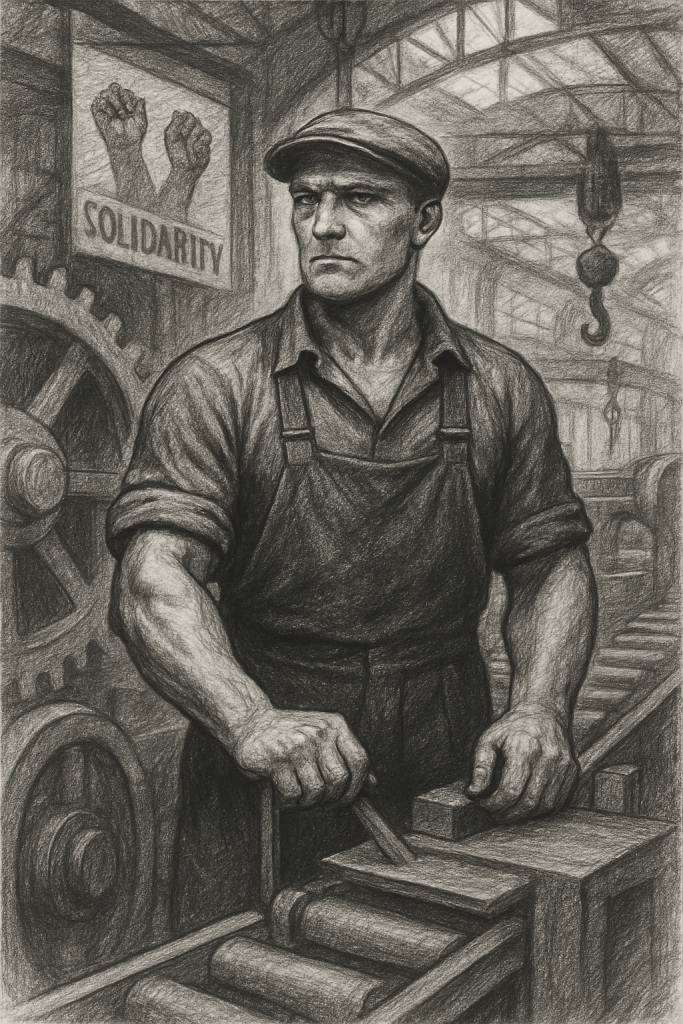
The ruling class wants men atomised, isolated, emotionally starved, and endlessly competing. But the revolutionary movement needs men, and women, who are principled, dependable, and courageous. We must eliminate the individualism that divides us and replace it with the ethics of solidarity.
“Individualism is deceitful and insidious; it treacherously pulls one down. And it is always easier to go down than up. This makes individualism especially dangerous.”
— Ho Chi Minh
Toxic masculinity is a product of all of these capitalist dynamics. To overcome it is not to return to outdated gender norms, but to transcend liberal identity politics and the capitalist idea of sex. There can be no liberation of our class until the male and female halves of it join together in a joint struggle against our exploitation and oppression. Only through the dictatorship of the proletariat, when the workers take their place as the new ruling class and abolish private property, can men and women alike be freed from the roles imposed on them by capital.
 Class Consciousness Project
Leave a comment