
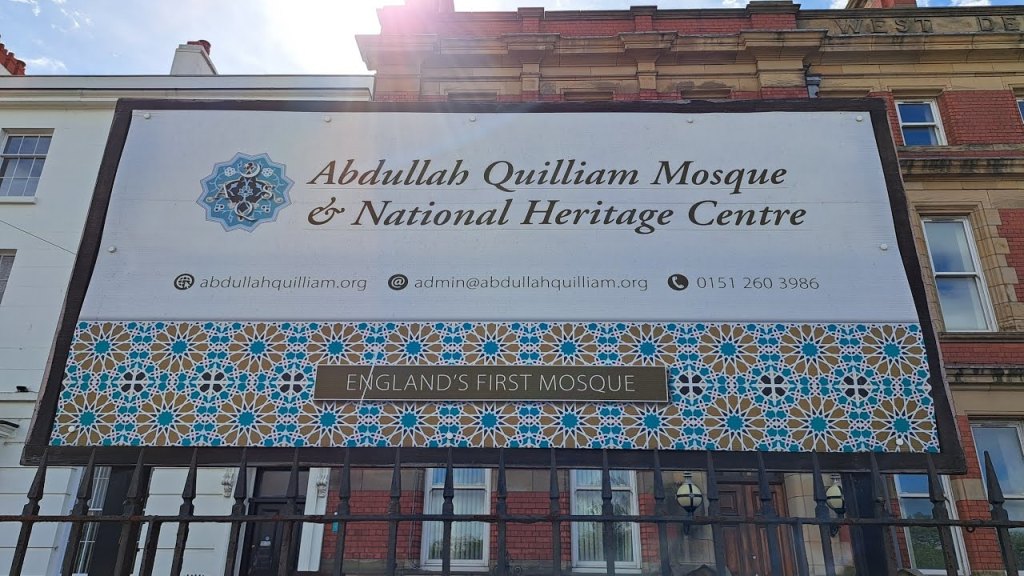
A few months ago, a tragic incident occurred in Southport where three children were killed, and a further eight were seriously injured by a deranged man. This heartbreaking event led to racially motivated riots across Liverpool and Southport. One protest, which was prevented from escalating into a riot, took place outside the Abdullah Quilliam Mosque. Thanks to the police presence and the actions of those at the mosque, the situation was defused.
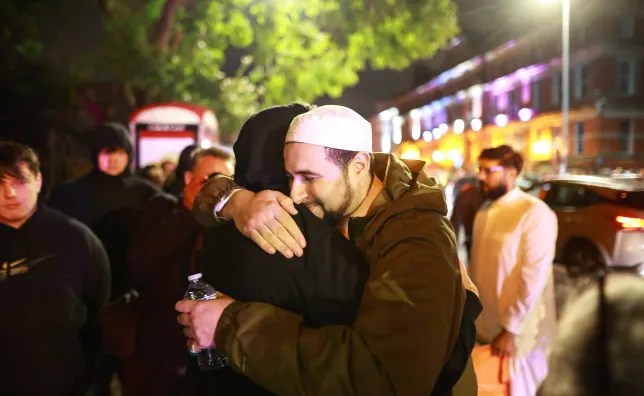
The people of the mosque took a remarkable approach: they cooked burgers and chips for the protesters. Led by Muslim Chaplain Adam Kelwick, worshippers offered food and engaged in conversations with those protesting the mosque’s existence. This beautiful human interaction calmed the tense atmosphere. The following day, newspapers published pictures of hugs, handshakes, and fist bumps between the two groups, highlighting how mutual respect and shared food helped bridge their differences.
A quick internet search of Adam Kelwick reveals a charitable man who has worked as a humanitarian aid worker in Yemen, Syria, Lebanon, Calais, and Somalia. His actions at the protest align closely with the history of the Abdullah Quilliam Mosque, which was established by local Liverpudlian philanthropist William Henry Quilliam.
William Henry Quilliam
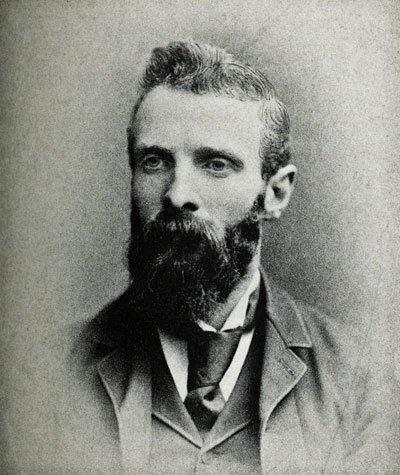
William Henry Quilliam was born on 10th April 1856 on Elliot Street in Liverpool city centre, now the site of St John’s Shopping Centre and the Holiday Inn. The son of a wealthy local Manx watchmaker, William attended the Liverpool Institute for Boys (now the Liverpool Institute for Performing Arts). After finishing school, he chose not to follow in his father’s profession and instead trained as a solicitor, earning a qualification in law. He reportedly handled some high-profile murder cases in Liverpool, earning him the nickname “the Unofficial Attorney-General of Liverpool”.
Quilliam was also a trade unionist and socialist, dedicated to the cause of the working class. He was an ardent supporter of the temperance movement, which fits with his later statement about converting to Islam: “It was reasonable and logical, and, personally, I felt it did not contradict my beliefs.”
In 1882, Quilliam travelled to Morocco to recover from an illness caused by overworking. While there, he was cared for by local Muslims, which sparked his interest in Islam. Reports about the exact dates of his return to Liverpool vary, but official accounts state that William, now Abdullah Quilliam, returned to establish the mosque in 1887. His first two converts to Islam were Djem Ali Hamilton and Elizabeth ‘Fatima’ Cates. Another notable convert was Robert ‘Reschid’ Stanley, a grocer and future mayor of Stalybridge, who became England’s first Muslim mayor.
The Abdullah Quilliam Mosque

The Abdullah Quilliam Mosque quickly became popular in Liverpool, consistently gaining converts due to Quilliam’s continued philanthropy. One famous event was the mosque providing food for approximately 800 children on Christmas Day. Quilliam became known as the Sheikh of the British Isles, and with increased funding, he opened a Muslim home for unwanted children in 1896. By this time, nearly 100 converts regularly attended the mosque.
The mosque closed in 1906 but was reopened over 100 years later, in June 2014, by the Abdullah Quilliam Society. This revival highlights the lasting significance of Quilliam’s legacy.
A Historical Perspective
This brief history illustrates how an active British Islamic society was created—not through an “invasion” by people on dinghies, but by a local man who embraced the faith and brought it back to his community. William Quilliam’s charitable and trade union activities endeared him to Liverpool’s working class, many of whom were drawn to Islam as a result.
As regular readers may have noticed, I have a deep appreciation for Liverpool’s history, especially when it resonates with current issues. I am not advocating for anyone to convert to Islam—being an atheist myself—but understanding history is vital for making sense of the present. The ruling classes often seek to divide us, sometimes with violent consequences (as I wrote about in a previous article). However, greater understanding of these issues could help prevent people from embracing reactionary views so readily.
The protesters outside the mosque likely had no idea that the Abdullah Quilliam Mosque is a significant part of Liverpool’s history. Nor would they have known that it was established by a white Liverpudlian who used it to feed, house, and educate local people. This serves as a powerful reminder that our differences are trivial when compared to the unity from working class community. The mosque’s legacy of work within the community without racial divides is vital lesson for modern day.

 Class Consciousness Project
Leave a comment