
Sharon Graham Grovels To Starmer (Yet Again)
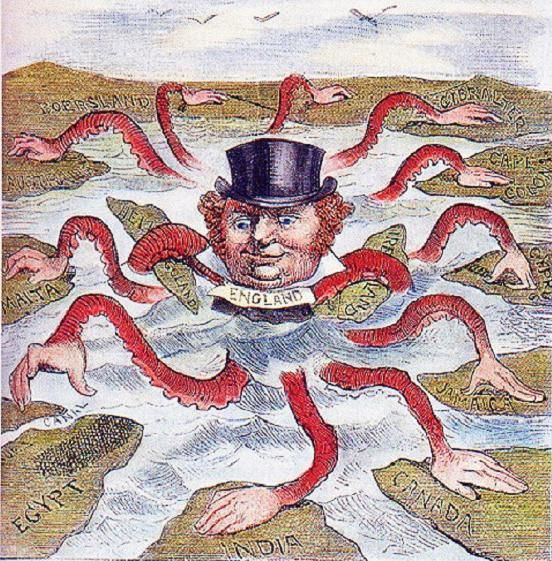
The recent comments by Unite General Secretary Sharon Graham, begging Keir Starmer to expand military production, shows yet again the limitations of trade unionism and the true role of the union leaders in Britain today. The likes of Graham sell themselves on the idea that they are either above politics or wish to focus purely on industrial issues. As our comrade Rick recently pointed out in an article about the false promises of Sharon Graham this is designed to look like a militant stance but in actual fact is much more about agreeing and collaborating with the ruling class. Graham asks Keir Starmer for more investment in weapons manufacturing in the belief that this will be of benefit to Unite members who are historically strong in these industries. Graham would doubtlessly defend this on the basis that the concerns about where these weapons will be used (in Ukraine or occupied Palestine for instance) are not those of the union movement and that we must only be concerned with protecting jobs. Here’s the problem with that calculation though. The Unite leadership like to pretend to their members that they will cling onto and fight for any manufacturing job that currently exists in Britain. Is that the case though? In actual fact Unite (and its predecessor organisations like the T&G and Amicus) allowed mass deindustrialisation to take place over the last forty years with barely a whimper being expressed. Where was the mass campaign to defend British industry when the coal, steel, ship and car building industries all went to the wall? The answer is that the union leaders assumed their usual role of grovelling to the politicians and capitalists who carried on with deindustrialisation anyway. The armaments industry still exists because it is not only very profitable but it is an industry which is required to be based in Britain due to the need for close and secure supply links to the British armed forces. The industry itself is comparatively small and has shown itself to be utterly incapable of getting anywhere near the production levels needed to keep the proxy army of British imperialism in Ukraine supplied with storm shadow missiles. But let us return to the question of whether defending the arms industry is good for the British working class. The arms industry is a key component part of British imperialism and this system is based on the export of capital not commodities. This requies the opening up of new markets constantly which is why the British ruling class keeps its arms industry going and why it has an army designed for small scale encounters with states that barely have a regular military. Its job is to quickly overpower relatively disorganised forces in order that the British ruling class can gain access to natural resources and other sources of profit in these countries thus enabling the further export of capital. Therefore it is the case that Unites leadership by begging Starmer to fulfill his commitments on increasing arms production is not only aiding militarism but also, ultimately, hurting the British working class as a whole.
The more British imperialism is enabled to export capital the more we get deindustrialised and the more our class slides into poverty and insecurity. What is the best result the Unite leadership will get with all their grovelling? A tiny number of workers will benefit and the great masses of the British working class will end up getting plunger further into poverty and this is before we even consider the effect of British imperialism on our fellow workers in countries under siege from imperialism. A union leadership worthy of the name would actually be leading a mass campaign for the reindustrialisation of Britain, which is what our class desperately needs. But instead we get General Secretary Graham pleading for crumbs off the table.

 Class Consciousness Project
Leave a reply to John Larkin Cancel reply