
The Makerfield by-election was never really about Makerfield.
It was about a growing crisis inside British politics. Labour’s enormous parliamentary majority has not delivered popularity. Quite the opposite. After two years of attacks on workers, continued austerity, support for Nato’s war agenda and unwavering backing for Israel’s genocide of Gaza and slaughter in Lebanon, public faith in government continues to erode.
The problem for the ruling class is obvious. Britain is being prepared for a prolonged period of military spending, economic hardship and political instability, which requires public consent. Yet Keir Starmer has proved singularly incapable of inspiring it.
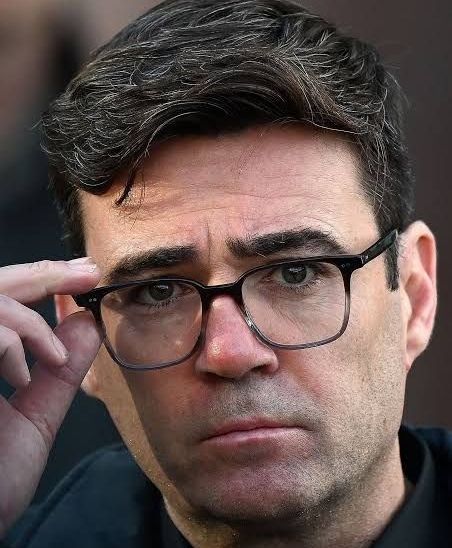
Enter Andy Burnham.

For years Burnham has cultivated the image of the straight-talking northern politician who understands ordinary people. His accent, manner and carefully constructed ‘man of the people’ persona stand in sharp contrast to the managerial dullness of the current Labour leadership. The establishment hopes that where Starmer has failed, Burnham may yet succeed. Not because of a change in politics or direction, but because he seems nicer, more like you and me, and he just might do a better job of fooling us that he represents us better. He doesn’t offer a different programme, but the hope is he can sell the same programme more effectively.
This is the crucial point that many Labour supporters miss. The strategy remains unchanged. Britain will continue to prioritise military spending. The drive towards confrontation with Russia will continue. Support for Nato’s objectives will continue. The transfer of wealth from workers to capital will continue. The only question under discussion is who can best persuade the public to accept it.
The search for a new leader is therefore not a search for a new direction. It is a search for a more convincing salesman. Many of the liberal left are already investing their hopes in Burnham. They imagine that a change of leader can somehow transform the nature of Labour itself. But Labour’s problem is not Keir Starmer’s personality. It is Labour’s role as representatives of imperialism, as the party who manages the system of capital for the ruling class.
Like every major parliamentary party, Labour exists within the framework of British capitalism and serves its fundamental interests. Whether the face at the top is Starmer, Burnham, Farage or somebody else, the state remains committed to defending the interests of finance capital at home and imperialism abroad.
Burnham’s own record should dispel any illusions. He has refused to describe Israel’s destruction of Gaza as genocide. He has described the boycott, divestment and sanctions movement as ‘spiteful’. He has repeatedly adjusted his political positions to suit changing circumstances. Nothing in his record suggests a challenge to the economic and foreign-policy priorities of the British establishment.
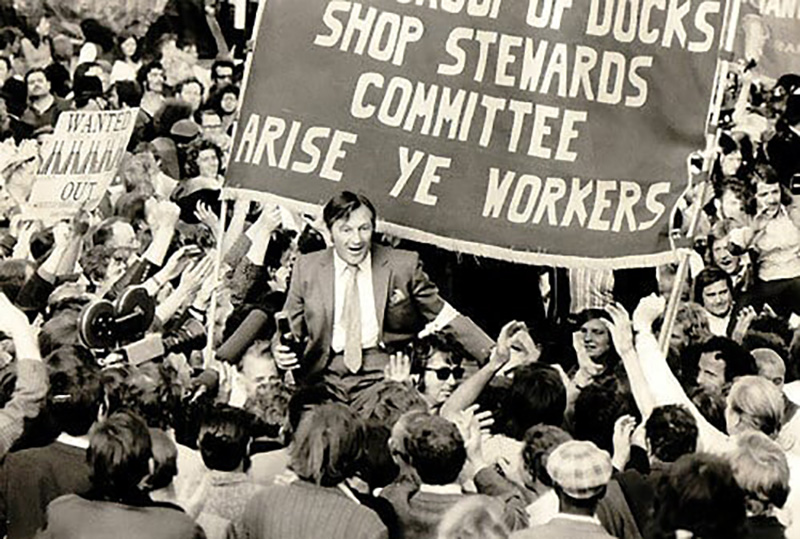
The lesson of Makerfield is therefore not that Labour has found its saviour, it is that the political system is once again searching for a working-class hero to keep people believing that meaningful change can be delivered through personalities rather than through class struggle.
Every few years the same trick is performed. A new face appears. A new slogan is coined. A new promise is offered. Yet the direction of travel remains exactly the same. The strategy is set. Only the tactics change.
Workers should not be fooled. No parliamentary reshuffle, leadership contest or charismatic personality will solve the problems created by a system built upon exploitation and war. The choice facing working people is not between Starmer and Burnham, or Labour and Reform. It is between continued subordination to the interests of capital and the independent political organisation of the working class.
Look at things logically. How can one party serve two masters? As long as society remains divided into two warring classes – the proletariat and the bourgeoisie; the workers and the capitalists; the exploited and the exploiters; the many and the few – no political party that defends capitalism can serve them both. No-one can serve the robbers and the robbed.
The tragedy is that each new generation of workers is encouraged to place its faith in a different politician, a different party, a different personality. Yet the result is always the same. The faces change, the slogans change, the tactics change but the interests being served remain unchanged.
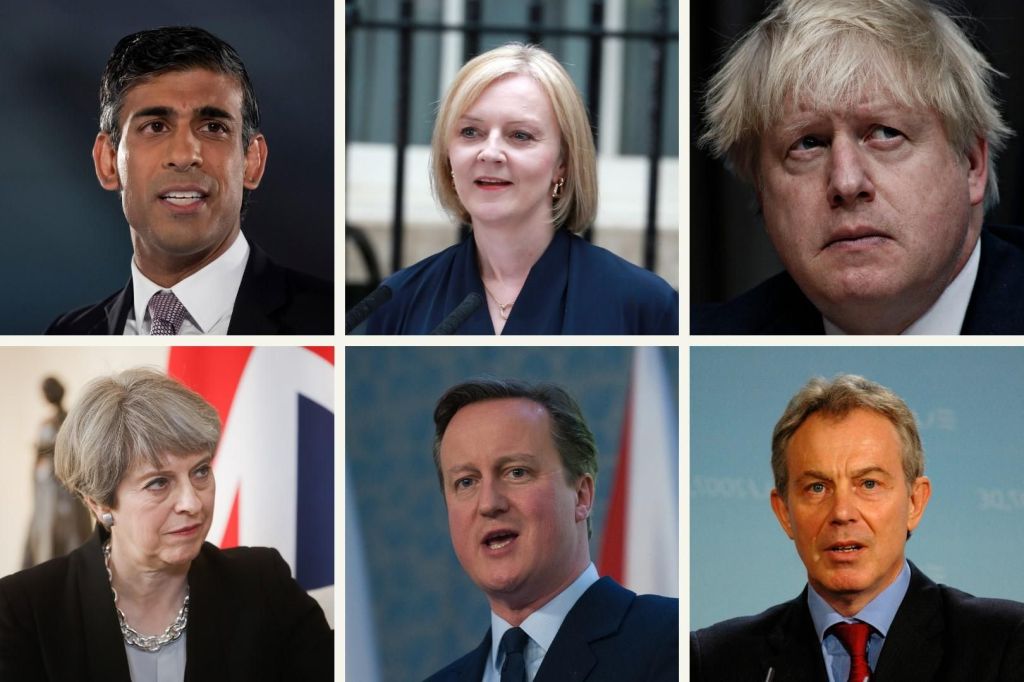
The day workers cease looking for saviours and recognise their own collective power is the day the game is up for the ruling class. Until then, the Class Consciousness Project will continue to expose the propaganda, challenge the myths and provide the analysis needed to turn class instinct into class consciousness. The future will not be won by waiting for better leaders. It will be won when workers organise and act in their own interests as a class.

 Class Consciousness Project
Leave a comment